

Real-time Control Capabilities
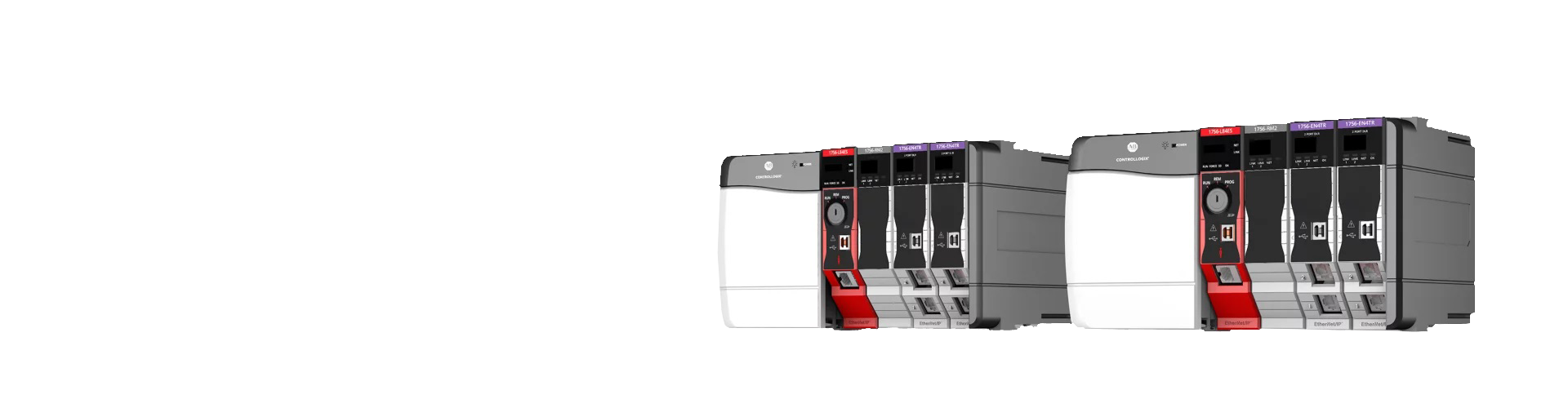
Industrial PCs utilize the TwinCAT real-time system to execute PLC control, motion control, and logic processing tasks. They can directly drive EtherCAT I/O, servo drives, and field devices, enabling industrial-grade real-time operations such as multi-axis synchronization, position control, and speed control. This constitutes their core function within automation systems.
Data Processing and Computing Capabilities
Possessing general-purpose computing capabilities, Industrial PCs can run Windows operating systems and industrial software while simultaneously handling production data, equipment status monitoring, algorithmic calculations, and edge computing tasks. Functions such as machine vision processing, data analysis, and AI inference can all be performed on a single platform.
Communication and System Integration Capabilities
IPCs serve as a bridge between field devices and upper-level systems, facilitating the convergence of OT (Operational Technology) and IT (Information Technology). Supporting various industrial communication protocols-such as EtherCAT, Profinet, OPC UA, and TCP/IP-they act as hubs for factory data exchange, enabling interaction with MES, SCADA, or cloud platforms.

Engineering and Development Capabilities
Beckhoff Industrial PCs often integrate HMI functionality, allowing for the direct execution of operator interfaces to monitor equipment and adjust parameters. Furthermore, engineers can perform PLC programming, debugging, simulation, and diagnostics within the same environment, significantly streamlining the system development process and enhancing engineering efficiency.