


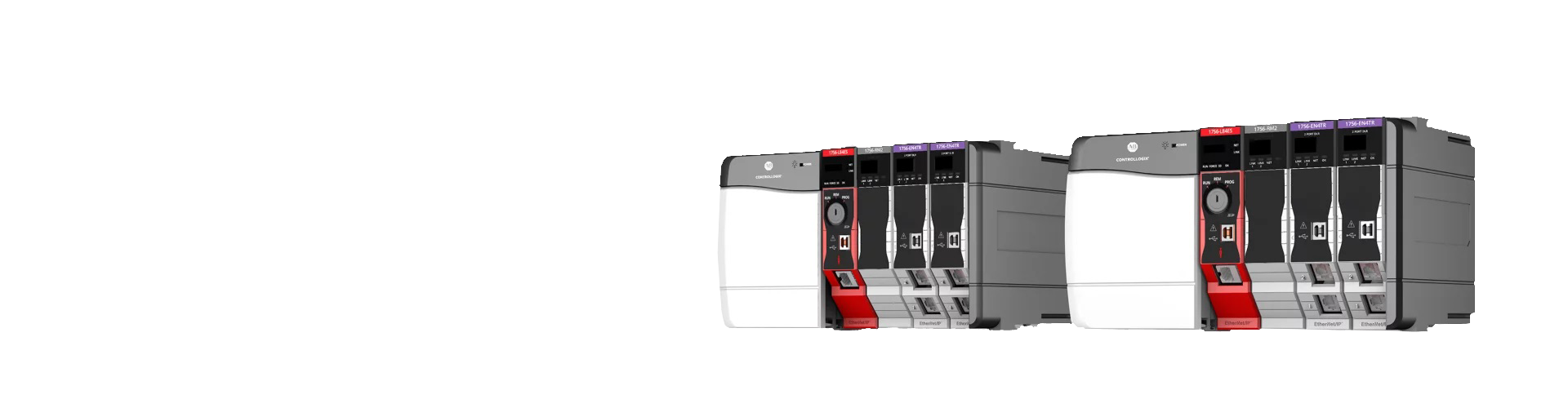
The primary function of a Beckhoff servo drive is to convert "motion commands" issued by the control system into the "precise power output" required by the motor, thereby enabling high-precision control of mechanical motion. In essence, it serves as the core execution component linking the control system and the servo motor.
The servo drive receives target commands-such as position, velocity, or torque-from an industrial PC or PLC (typically via EtherCAT). It then employs internal control algorithms (including current, velocity, and position loops) to perform closed-loop regulation of the motor, ensuring it operates precisely according to the commands. This closed-loop control allows for real-time error correction, guaranteeing both motion stability and accuracy.
Beckhoff servo drives also handle motor status monitoring and protection functions-detecting and responding to conditions such as overcurrent, overvoltage, overtemperature, and encoder faults-to prevent equipment damage or loss of system control. In high-end applications, such as packaging machinery, robotics, or CNC equipment, they support multi-axis synchronized control to execute complex motion trajectories.

Within the Beckhoff Automation ecosystem, servo drives are deeply integrated with the TwinCAT control system and the EtherCAT bus, allowing motion control, I/O data, and logic control to operate in coordination on a single platform. This architecture reduces the complexity associated with the multi-layer controllers found in traditional control systems while enhancing overall response speed and system consistency.